
Telegram Anonymous Admin Mode: Useful Shield or Trust Problem?
Telegram supports anonymous admin rights in groups and channels. This guide explains when anonymous admins are useful, what tradeoffs they create, and why they should be treated as a governance decision rather than a toggle.
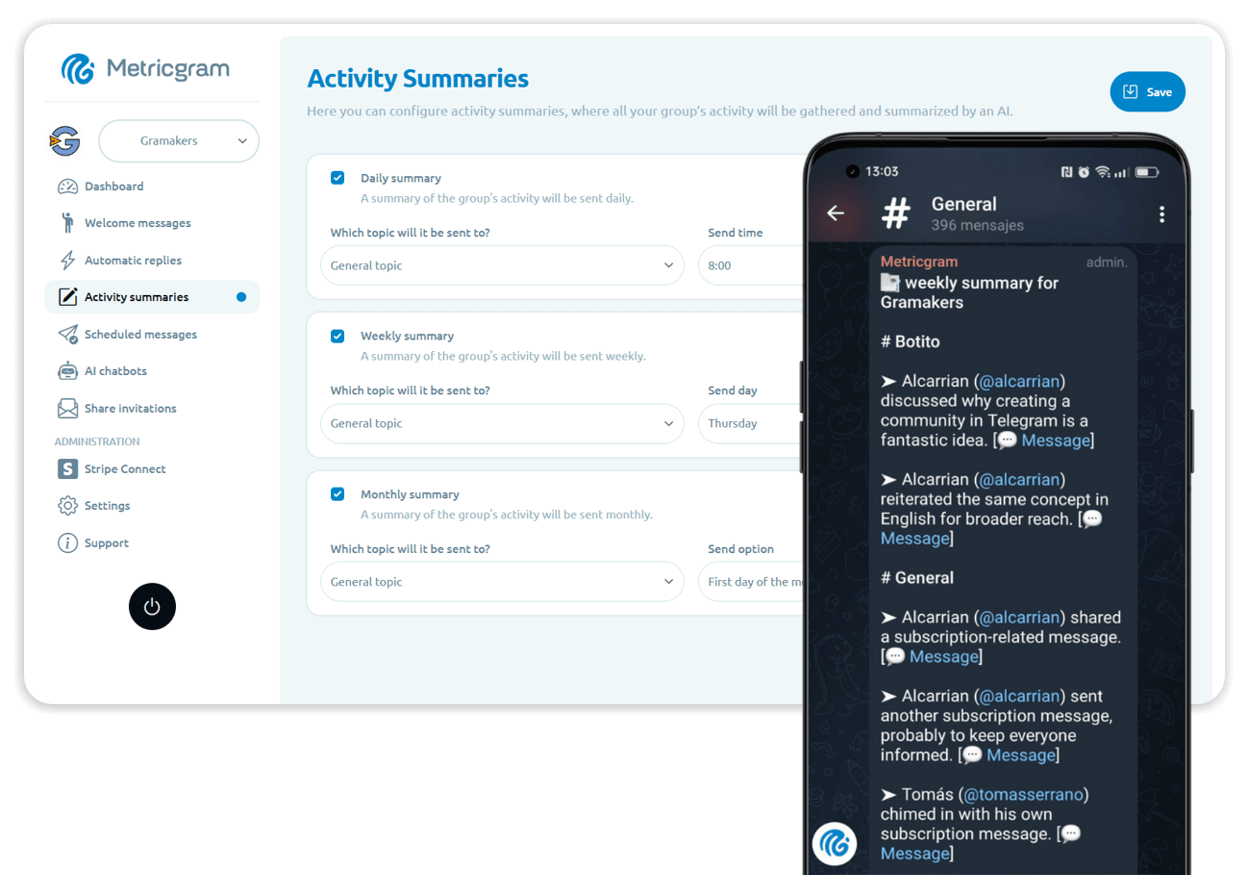
Live directory
Browse Metricgram's curated Telegram directory to find active communities by category and language, and see how leading groups position their listings.
Open directoryAnonymous Admins Solve One Problem And Create Another
Telegram supports an anonymous admin right in its official chatAdminRights model.
That means anonymous admin mode is not a vague UI trick. It is a real permission concept in Telegram's admin system.
The interesting question is not whether the feature exists.
The interesting question is when it improves a community and when it makes the community harder to trust.
Because that is the real tradeoff:
- more shielding for admins;
- less visible accountability for members.
Why Communities Use Anonymous Admins
The main reason is usually protection.
Anonymous admin mode can be useful when:
- moderators should not become the personal target of every unhappy member;
- a brand or organization wants moderation to appear institutional rather than personal;
- sensitive communities need less individual exposure for staff;
- a team wants the group to feel managed by the entity, not by one visible person.
That can be legitimate.
In some environments, visible admin identity creates unnecessary friction or harassment risk.
Ready to improve your Telegram group? Start your 14-day Metricgram trial.
Start free trialWhat The Feature Does Not Magically Fix
Anonymous admin mode does not solve:
- bad moderation;
- weak rules;
- unclear escalation paths;
- poor internal coordination;
- excessive admin power.
It only changes how admin presence is surfaced.
If your governance is weak, making admins anonymous does not make governance better. It just makes the power structure less visible.
The Trust Tradeoff
This is the core issue.
Communities run on more than permission and enforcement. They also run on perceived fairness.
When admins are anonymous, members may ask:
- who made this decision;
- who removed that message;
- who issued that warning;
- how do I escalate a mistake;
- who is accountable if moderation goes too far.
That does not mean anonymous admin mode is wrong.
It means it should be paired with explicit moderation policy.
When Anonymous Admins Make Sense
It usually makes sense in:
- large public communities;
- politically sensitive spaces;
- high-conflict groups;
- brand-owned communities where moderation should represent the entity;
- situations where individual moderator safety matters.
In those environments, reducing personal exposure can be rational.
When It Is Probably A Bad Idea
It is often a bad fit in:
- small premium communities;
- coaching groups;
- mastermind or trust-heavy spaces;
- founder-led groups where personal presence is part of the value;
- communities that rely on visible relationships between members and moderators.
In those settings, anonymity can feel less professional, not more.
The community may read it as distance, opacity, or lack of ownership.
Best Practices If You Use It
If you enable anonymous admins, the cleanest approach is:
- document moderation rules clearly;
- define internal admin accountability even if it is not public;
- give members a clear escalation path;
- avoid combining anonymity with excessive permissions and no oversight.
This matters because anonymous power without process is where trust problems grow.
Where Metricgram Fits
Metricgram fits when the deeper issue is how community operations are structured alongside how admins appear to members:
- who manages access;
- how onboarding is handled;
- how admin workload is distributed;
- how recurring operational tasks stop depending on individual memory.
Anonymous admin mode can reduce exposure.
It does not reduce operational chaos.
What matters most
Telegram anonymous admin mode is useful in the right context.
But it is not a cosmetic preference. It is a governance choice.
Use it when staff shielding or institutional moderation matters more than visible personal accountability.
Avoid it when trust depends on human visibility and relational presence.
Ready to manage your Telegram group with Metricgram?
Automate tasks, track analytics, and grow your community with a 14-day free trial. No credit card required.
Start free trialGet weekly Telegram community tips
Join community managers who receive our best tips, guides, and product updates.
You may also like
Telegram For Podcasters: How To Build Listener Community, Paid Access, And Launch Momentum Beyond The RSS Feed
Podcasts are great for trust and habit, but weak for direct listener interaction. This guide explains how podcasters can use Telegram for launch rooms, paid communities, and listener retention without confusing it with podcast hosting.
Telegram For Freelancers: How To Use It For Clients, Leads, And Community Without Creating More Admin Work
Telegram can be useful for freelancers, but only if it has a clear job. This guide explains when to use Telegram for client communication, lead nurturing, paid communities, and peer groups without turning it into operational clutter.